

Install a cat flap if you want your pet to be able to come and go whenever they like without opening the front door. You should hire an expert to install the cat flap. visit site can help you navigate the complexities of putting various types of cat flaps to different doors and walls.
Installation
With a cat flap your pet can enter and leave the home at will, without needing to open the door. The range of pet flaps on the market is vast, from microchip-proof and bite-proof doors to fully enclosed cat flaps. They come in a variety frames and materials that range from PVC or plastic to aluminum and stainless. The frame you select will impact the price. Plastic and PVC frames are cheaper but are less durable, whereas stainless steel or aluminum frames are more expensive, but last longer.
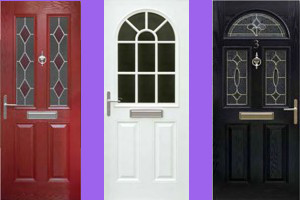
When you are choosing a frame to use for your cat flap, you must also consider the type of access you'd like to grant. If you want to restrict access to other pets, go for a locking pet flap. These make use of your pet's infrared microchip to let them in. They are more expensive than standard pet doors, however, they're worth the extra cost to ensure your pet's safety.
The next step is to choose which kind of door or wall you want the flap installed in. The most popular installation locations are in doors, however they can also be inserted to windows and walls. The best way to finish the job is to employ an expert. They will have the right equipment and know-how to ensure that your pet flap is properly fitted.
It is not uncommon for homeowners to attempt to install the flap on their own. This could be risky, and may lead to costly repairs in the future. They may also damage the surface of the uPVC panel or door they're trying to install the cat flap into. It's generally cheaper hiring a tradesperson do the job to avoid these problems.
It is important to be aware that your pet could need some time to become comfortable with the flap. It could be days, weeks or even months before they're comfortable using it frequently. You can assist them in adjusting to the new routine by encouraging them to open the flap with a favorite treat or by gradually desensitizing.
Materials
Materials used to install the cat flap can differ according to the type of flap and the door it's being fitted to. This includes a variety of tools, including drills, files or jigsaw as well as a spirit level. These tools can require safety equipment which can increase the cost of the project. You will also need additional materials, like the cat flap itself. The cost of the project will be affected by the kind of material used to frame the cat flap. Frames made of plastic are generally less expensive than aluminum and stainless steel.
Before you begin to install the flap for cats Make sure you have read the directions that came with the kit. These should include a template sketch of the opening for the flap. This will provide you with an idea of where you should put the hole in your door and how big it should be. Use a spirit-level to ensure that the line on your door is straight. If you are unsure about the location of your flap opening, you should consider measuring from the floor up to your cat's belly height. This will allow your cat to pass through the flap.
Once you've marked the location where the hole should be, you can begin cutting your door. It is essential to employ a spirit-level to keep the line straight and avoid any mishaps. Be careful not to cut into any electricity, gas or waste pipes, or structural joists (RSJ) that are in your door or wall frame. If you are not sure then you should hire a professional do the work.
Once you have cut out the hole in the door, it's an ideal idea to paint the exterior of the door, particularly in the case where the wood is exposed. This will prevent water and moisture from damaging the wood. Sealant can be used to protect the edges of the cut.
Labour
It is a good idea to hire an experienced tradesperson for the installation of your pet flap if want a professional result. It might cost you a little more, but you'll be able to avoid any damage to your wall or door. It also means that your pet is happier and less stressed when they go outside or returning. This will decrease the chance that your pet may scratch furniture or cause messes within the house. This can lead to expensive repairs and replacements.
A professional will also need to test the cat flap and make any necessary adjustments to ensure that your pet is comfortable using it. This could involve making sure that the reader can only recognize your pet's chip and ensuring that your pet feels at ease with the flap.
The kind of cat flap you select will also affect the labor costs. Some surfaces are more difficult to cut into and will require more labor to put in. For instance, a microchip pet flap is more expensive than a standard model, but it provides increased security by only allowing access to pets that have a compatible microchip.
Some cat flaps are equipped with locks that can be helpful in keeping unwanted visitors out. These can be unreliable, and costly to replace. It is best to desensitize your pet to the flap prior to installing one. You can help your pet become comfortable with the flap by using treats and leaving it open.
Once the flap is fitted after it is fitted, you must ensure that it is secured by securing it with an additional piece of wood or steel bolt. This is a vital step to prevent unwanted intruders from entering your home. It is also crucial to seal the edge of the hole you've made to protect against water damage and rotting.
Before you choose a contractor for the installation of your cat flap It's recommended to check their prices and reviews. This will ensure that you get the best price for your project.
Insurance
The costs for installation will vary based on the kind and size of cat flaps you choose. PVC or plastic cat flaps are less expensive, whereas microchip cat flaps and advanced options can be costly. A reputable professional can provide you with the best pet flap to meet your budget and needs.
The cost of the cat flap can also depend on the type of wall or door that you wish to have the cat flap fitted into. Professionals can install them in the majority of doors including composite, uPVC, and wooden doors. They may have to install an external frame in order to make the installation appear neater.
It is crucial to determine the height and width of your pet prior to putting in the flap. This will ensure that the flap is sized correctly. This will help avoid accidents like your pet running through a doorway and injuring itself.
The flap should be large enough to allow your pet to easily pass it. If the flap isn't big enough, your pet may struggle to get it open. They could end up stuck in the flap.
You should also consider whether you would prefer an unframed or framed flap, as well as the material that it is made of. Frames are usually more expensive than unframed flaps, but they are more durable. Additionally, framed flaps are more secure than those that are not, as they are less prone to being ripped off or stolen.
In addition to the cost of the cat flap you should also take into consideration any other accessories you might need. You may need an identification tag for your collar, a security lock and pet-door locks. Microchip cat flaps are the most expensive, but they are more secure and can be programmed to recognize only your pets.
A professional installer is required to put in the cat flap properly. A poor installation could cause injuries and damage. Professional installation can be worth the cost to get peace of mind. A good flap can aid in reducing heating and cooling costs by making your home more comfortable in the summer and warmer in the winter. Additionally, it could also increase the value of your home.